
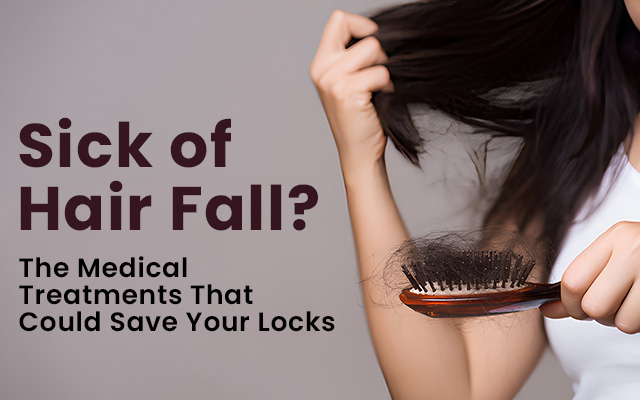
You wash your hair, and the drain clogs. You comb, and the brush fills up faster than your patience can endure. Every mirror starts reminding you that your hair isn’t the same anymore. Sounds familiar? You’re not alone — and the good news is, medical science now has real answers.
At Elation Hair & Skin Clinic, we meet people every day who feel frustrated after trying every oil and home remedy with no visible result. The truth is, most cases of severe hair fall need more than DIY care — they need medical intervention. Modern medical treatments for hair fall are safe, effective, and designed to address the root cause, not just the symptoms.
Why Does Hair Fall Happen?
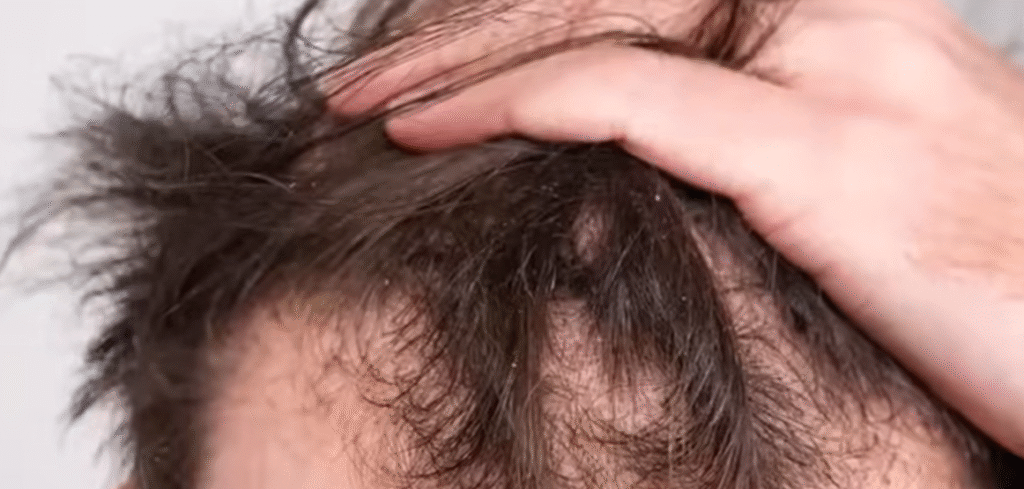
Hair fall doesn’t happen in one day. It builds up quietly through genetics, hormonal imbalance, stress, nutritional deficiency, or scalp conditions. The key is identifying the “why” — because that’s where real treatment begins.
Common Causes of Hair Loss
| Cause | Description |
| Genetics (Androgenetic Alopecia) | Passed down through the family. It is common in both men and women and usually progressive. |
| Hormonal Imbalances | PCOS, thyroid problems, and post-pregnancy hormone shifts can trigger excessive hair loss. |
| Nutritional Deficiencies | Iron, zinc, vitamin D, and protein deficiency weaken hair follicles. |
| Stress & Lifestyle | Chronic stress and lack of sleep disrupt hair growth cycles. |
| Harsh Styling or Products | Heat styling, tight hairstyles, and chemical treatments can cause breakage and shedding. |
When to Seek Medical Help
You should visit a hair fall treatment clinic in Kolkata if:
- Hair thinning is visible on your scalp.
- You notice bald spots or receding hairlines.
- You experience itching, redness, or scaling on the scalp.
- Hair loss continues despite trying over-the-counter products.
Early diagnosis by dermatologists can save time, money, and most importantly, your hair follicles.
Advanced Medical Treatments for Hair Fall
If topical and oral medications aren’t enough, doctors may suggest in-clinic procedures that stimulate follicles naturally.
PRP Therapy (Platelet-Rich Plasma)
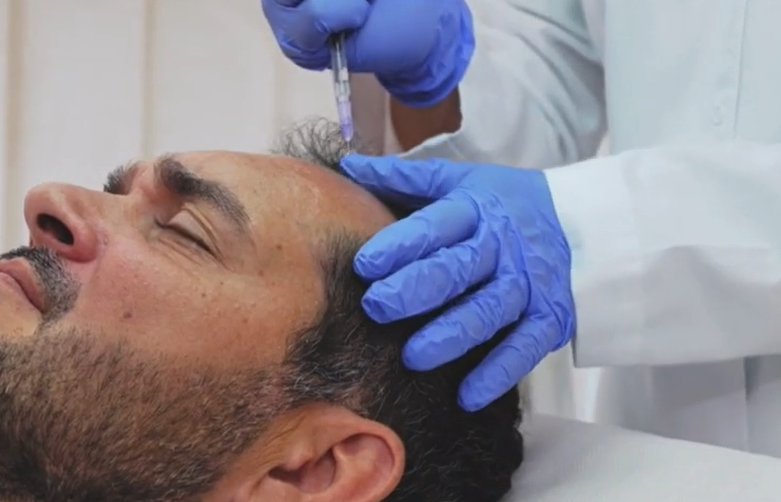
PRP therapy for hair loss is one of the most trusted non-surgical options today. It uses your own blood — processed to extract growth factors — which is then injected into the scalp. These growth factors awaken dormant follicles and improve density.
Benefits:
- 100% natural and safe
- Boosts blood supply to follicles
- Works well for both men and women
PRP is a cornerstone at Elation Hair & Skin Clinic, often combined with microneedling for faster results.
Low-Level Laser Therapy (LLLT)
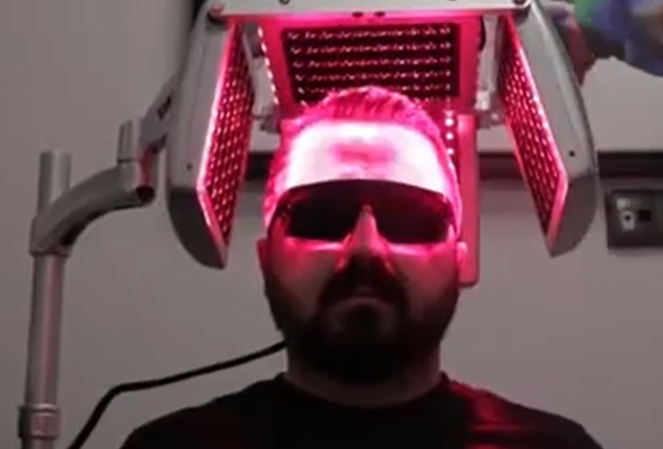
LLLT uses red light energy to stimulate weak hair follicles. It’s painless, quick, and has shown excellent results in early-stage hair thinning.
Ideal for:
People looking for effective hair fall solutions for men and women who want non-invasive, technology-driven treatments.
It’s a popular choice among those comparing hair transplant vs non-surgical treatments.
Microneedling with Growth Factors
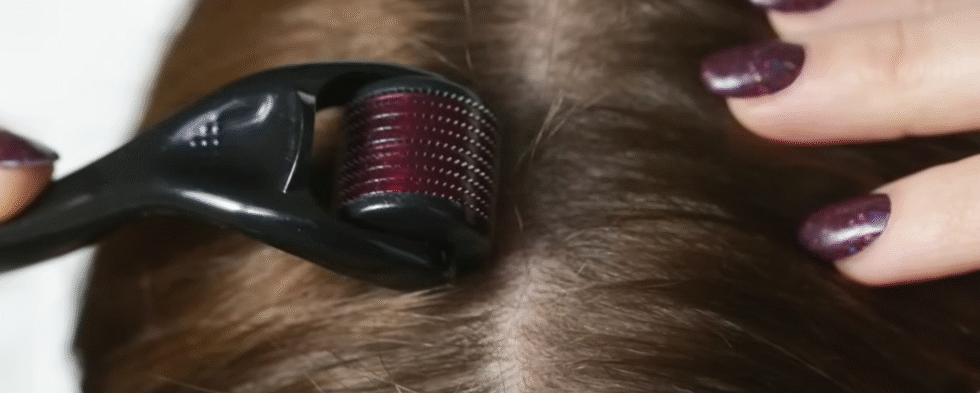
Microneedling creates tiny channels in the scalp that allow growth serums to penetrate deeply. This encourages collagen production and increases absorption of medications like Minoxidil.
When combined with PRP, it delivers visibly thicker, healthier hair.
Surgical Options for Severe Hair Loss
Sometimes, when hair loss is extensive and follicles are inactive, surgery becomes the most reliable route.
H3- FUT vs FUE Hair Transplants
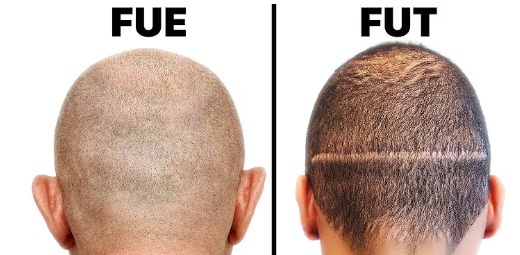
| Technique | Procedure | Pros | Recovery |
| FUT (Follicular Unit Transplantation) | A strip of scalp with healthy follicles is removed and transplanted. | High graft survival rate | 2–3 weeks |
| FUE (Follicular Unit Extraction) | Individual follicles are extracted one by one. | No visible scar, faster healing | 7–10 days |
Choosing between hair transplant vs non-surgical treatments depends on your scalp condition and the extent of hair loss.
Recovery & Success Rates
Most patients can return to normal work within a week. Full results take 6–12 months. The hair fall treatment before and after photos often show dramatic transformations when done at reputed clinics like Elation Hair & Skin Clinic. Success rates can reach up to 95% when performed by experienced specialists.
What to Expect From Treatment
Hair regrowth isn’t magic — it’s a process backed by science and patience.
Timelines for Visible Results
| Timeline | Expected Progress |
| 1–3 months | Reduced shedding and early baby hair |
| 4–6 months | Visible improvement in hair density |
| 9–12 months | Noticeable scalp coverage and strength |
Maintenance & Follow-Up Needs
After treatment, maintaining hair health is crucial. Dermatologists at Elation Hair & Skin Clinic recommend follow-ups every 3–4 months to monitor progress and adjust medications as needed.
Simple lifestyle tips like eating protein-rich food, managing stress, and avoiding heat styling go a long way.
Combining Treatments for Best Outcomes
The best results often come from a customised combination of treatments — for example:
- PRP + Microneedling
- Minoxidil + LLLT
- Finasteride + PRP
This hybrid approach offers faster and longer-lasting improvement.
Risks and Side Effects to Consider
All treatments are safe when performed by experts, but mild reactions can occur.
Procedure-Related Risks
PRP and Microneedling can lead to mild redness or tenderness for a day or two — nothing major.
How to Minimise Complications
- Always choose an FDA-approved treatment for hair loss.
- Follow post-care instructions strictly.
- Avoid unqualified salons or unverified products.
Choosing the Right Specialist
Hair restoration isn’t just about medicine — it’s about trust and expertise.
Dermatologist vs Hair Transplant Surgeon
A dermatologist-recommended hair loss treatment focuses on diagnosis and non-surgical methods, while a transplant surgeon handles surgical restoration. At Elation Hair & Skin Clinic, the team works together to design personalised plans that suit your hair type, budget, and medical history.
Questions to Ask Before Starting Treatment
- What’s the root cause of my hair fall?
- Which treatments are medically suitable for my condition?
- What kind of hair fall treatment before and after results should I expect?
- How long will it take to see visible changes?
Red Flags to Avoid
- Unqualified practitioners offering “instant results.”
- Clinics that skip medical tests before suggesting treatment.
- Unrealistic promises like “full hair in 7 days.”
Regain Your Confidence, One Strand at a Time
Hair is more than beauty — it’s identity. Losing it can hit confidence and self-image. But the truth is, hair loss is treatable with the right care.
At Elation Hair & Skin Clinic, our specialists use proven medical and advanced therapies to restore your natural growth safely. Whether it’s PRP therapy for hair loss, hair transplant, or modern hair loss medications that work, every treatment plan is customised just for you.
So stop hiding behind scarves or caps. The right hair fall treatment clinic in Kolkata could be the turning point your scalp needs.
People Also Ask
1. Can medical treatment regrow hair permanently?
If your follicles are still alive, yes — treatments like PRP and Minoxidil can regrow hair and maintain long-term results.
2. What is the most effective medical treatment for hair fall in 2025?
The best hair loss treatments 2025 combine PRP, LLLT, and FDA-approved medications for lasting improvement.
3. How can I stop hair fall medically at home?
You can support recovery with diet, gentle scalp care, and prescribed topical solutions like Minoxidil — part of how to stop hair fall medically.
4. Are there risks with PRP therapy?
Minor redness or tenderness can occur, but since PRP uses your own blood, the risk of allergy or reaction is minimal.
5. How long does it take to see results?
Most people notice visible improvements within 4–6 months with consistent treatment and follow-up.
When Your Hair Starts Falling, Don’t Panic — Act Early
Science-backed dermatologist-recommended hair loss treatments can restore not just your hair, but your confidence too. Visit Elation Hair & Skin Clinic, the most trusted hair fall treatment clinic in Kolkata, and let your hair tell a story of strength, not struggle.